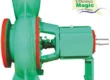
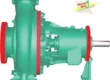
In modern water supply and industrial circulation systems, maintaining consistent pressure and flow is essential. This is where an inline pressure pump plays a critical role. As industries and commercial buildings demand compact, energy-efficient pumping solutions, inline pressure pumps have become increasingly popular.
This article explains what an inline pressure pump is, how it works, where it is used, and why it is preferred in many pressure-boosting applications.
What Is an Inline Pressure Pump?
An inline pressure pump is a centrifugal pump installed directly in the pipeline, where the suction and discharge connections are aligned on the same axis. Unlike traditional pumps that require additional pipe bends and foundations, inline pumps are mounted vertically or horizontally within the piping system itself.
The primary purpose of an inline pressure pump is to boost or maintain pressure in water or fluid circulation systems. Its compact design makes it ideal for applications where space is limited and efficiency is critical.
How an Inline Pressure Pump Works
The working principle of an inline pressure pump is similar to a standard centrifugal pump but with a streamlined installation design.
Fluid enters the pump through the inlet aligned with the pipeline
The rotating impeller adds energy to the fluid
Pressure increases as the fluid moves through the pump
Pressurized fluid exits through the discharge, continuing along the same pipeline
Because the pump is installed inline, there is minimal pressure loss and smoother flow compared to systems with multiple pipe bends.
Why Inline Pressure Pumps Are Preferred
Inline pressure pumps offer several advantages that make them a preferred choice in many systems:
1. Space-Saving Design
Since the pump is installed directly in the pipeline, it eliminates the need for separate pump foundations and extensive piping.
2. Improved Energy Efficiency
Reduced friction losses and optimized hydraulic design help lower power consumption.
3. Easy Installation
Inline pumps simplify piping layouts, reducing installation time and cost.
4. Stable Pressure Control
They provide consistent pressure, which is crucial for sensitive systems.
5. Low Noise and Vibration
Vertical inline designs often result in quieter operation and reduced vibration.
Applications of Inline Pressure Pumps
Inline pressure pumps are widely used across residential, commercial, and industrial sectors, including:
Building water supply and pressure boosting
HVAC circulation systems
Hot water and chilled water circulation
Industrial process water systems
Firefighting booster systems
Cooling water circulation in plants
RO and water treatment systems
Their versatility makes them suitable for both clean water and lightly treated process fluids.
Types of Inline Pressure Pumps
Depending on system requirements, different inline pressure pump configurations are available:
Single-stage inline pumps – for moderate pressure boosting
Multistage inline pumps – for higher pressure applications
Vertical inline pumps – commonly used in buildings and HVAC systems
Horizontal inline pumps – used where installation orientation requires it
Pump selection depends on flow rate, pressure requirement, temperature, and operating hours.
Key Features of a Quality Inline Pressure Pump
A well-designed inline pressure pump typically includes:
Compact and rigid construction
High-efficiency impeller design
Energy-efficient motor
Durable mechanical seals
Corrosion-resistant materials
Easy maintenance access
These features ensure reliable performance and long service life.
How to Choose the Right Inline Pressure Pump
Before selecting an inline pressure pump, consider the following:
Flow and Pressure Requirements
Choose a pump that meets the exact system demand to avoid energy wastage.
Installation Space
Vertical inline pumps are ideal for tight mechanical rooms.
Operating Conditions
Consider fluid temperature, pressure, and operating hours.
Energy Efficiency
High-efficiency pumps reduce long-term electricity costs.
Service and Support
Availability of spare parts and service support ensures smooth operation.
Maintenance Tips for Inline Pressure Pumps
To maintain optimal performance:
Regularly inspect seals and bearings
Monitor pressure and flow levels
Ensure proper alignment during installation
Keep the system free from air locks
Follow preventive maintenance schedules
Proper care improves efficiency and extends pump life.
Conclusion
An inline pressure pump is an efficient, compact, and reliable solution for pressure boosting and fluid circulation systems. Its space-saving design, ease of installation, and energy efficiency make it ideal for modern buildings and industrial applications.
By selecting the right inline pressure pump and ensuring proper installation and maintenance, users can achieve stable pressure, reduced energy consumption, and long-term system reliability. For projects that demand consistent performance with minimal footprint, inline pressure pumps are a smart and practical choice.