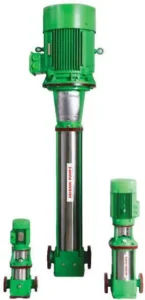
vertical high pressure pump avp abirami pumps
Introduction
In today’s world of rising energy costs and sustainability goals, choosing the right energy efficient pump can make a major difference in both power consumption and operational performance. Modern energy efficient pump systems are designed to deliver high flow rates while reducing electricity usage, making them essential for industries such as paper, pulp, textile, and wastewater treatment.
This article explores the benefits, types, and applications of energy efficient pump sets, pulp mill vacuum pumps, and back water pressure pumps, focusing on how these technologies help industries save energy and maximize productivity.
1. What Is an Energy Efficient Pump?
An energy efficient pump is designed to move fluids using less electricity while maintaining optimal pressure and flow. By using advanced impeller design, balanced motor power, and intelligent control systems, these pumps reduce power wastage and improve overall plant performance.
Industries worldwide are upgrading to energy efficient pump sets because they:
Lower electricity costs by 30–40%
Require less maintenance and downtime
Offer longer operational life
Improve system reliability and efficiency
2. Energy Efficient Pump Sets and Systems
Energy efficient pump sets are typically integrated into a complete pump system that includes a motor, controller, and performance monitoring unit.
These systems are used in a wide range of industrial processes—especially where continuous fluid circulation or pressure maintenance is required.
An energy efficient pump system ensures steady operation, low noise levels, and automatic performance adjustment based on demand. This makes it a smart investment for industries aiming for sustainability and ISO 50001 (energy management) compliance.
3. Pulp Mill Vacuum Pump — Engineered for Reliability
In pulp and paper mills, a vacuum pump is used to remove moisture and maintain pressure during the pulp forming process.
A pulp mill vacuum pump designed with energy efficiency in mind can significantly reduce operational costs and improve paper quality.
These pumps are built with corrosion-resistant materials and low-vibration technology, ensuring high durability in harsh environments. By optimizing vacuum level control, industries can achieve faster dewatering and enhanced energy savings.
4. Back Water Boiler Pump and Pressure Pump Applications
The back water boiler pump plays a crucial role in maintaining water circulation and pressure within industrial boiler systems.
A properly designed back water pressure pump ensures consistent water flow, preventing overheating and pressure imbalances.
When combined with energy-efficient motors and advanced sealing systems, these pumps reduce power consumption, extend equipment life, and enhance overall system reliability.
5. Benefits of Energy Efficient Pumping Solutions
Reduced Energy Costs: Smart motor control reduces unnecessary load
Eco-Friendly Operation: Lower carbon emissions support green initiatives
Consistent Flow & Pressure: Maintains optimal performance under variable loads
Low Maintenance: Advanced materials reduce wear and tear
Higher ROI: Quick payback through energy savings and reduced downtime
Conclusion
Adopting energy efficient pump systems isn’t just a smart business decision — it’s a sustainable step toward a greener future.
Whether it’s a pulp mill vacuum pump, a back water boiler pump, or a back water pressure pump, each component contributes to optimizing performance, saving energy, and improving industrial reliability.
For industries in need of custom-engineered energy efficient pump sets, partnering with an experienced manufacturer ensures you get the perfect combination of performance, durability, and sustainability.