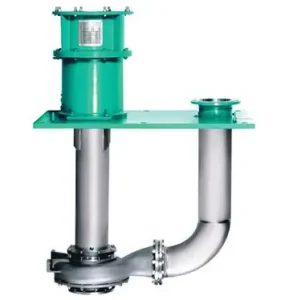
High-performance vertical slurry pump built for handling abrasive slurries in mining, dredging, and processing industries.
Pumps play an essential role in homes, industries, commercial buildings, and municipal systems. However, many users get confused when choosing between a sewage pump and a submersible pump. While both pumps can operate underwater, their functions and applications are very different. Understanding these differences helps you select the right pump for drainage, wastewater handling, or clean-water needs.
Here is a complete, SEO-optimized guide to help you understand the difference between a sewage pump and a submersible pump.
1. Basic Definition and Purpose
Sewage Pump
A sewage pump is specifically designed to handle wastewater containing solids, sludge, paper, and human waste. It is used primarily for:
Septic tanks
Sewage lifting stations
Basements
Bathrooms located below ground level
Industrial effluent pits
Sewage pumps can handle solid particles without clogging.
Submersible Pump
A submersible pump is designed to move clean or slightly muddy water from:
Wells
Borewells
Sump tanks
Overhead tanks
Irrigation pits
These pumps are mainly used for water supply, irrigation, and domestic lifting.
2. Ability to Handle Solids
This is the biggest difference.
Sewage Pumps:
✔ Designed to handle solids up to 30–50 mm
✔ Impellers are open-vane or vortex type
✔ Built to avoid clogging
Submersible Pumps:
✘ Not designed to handle solids
✘ Can get damaged or blocked by debris
✘ Best for clean water only
3. Construction & Impeller Design
Sewage Pump Design:
Heavy-duty cast iron body
Vortex/Channel impeller to pass solids
Larger discharge outlet
Corrosion-resistant components
Submersible Pump Design:
Stainless steel or cast iron body
Closed or semi-open impeller
Smaller discharge diameter
Priority on efficiency over solid handling
4. Applications: Where Each Pump Is Used
Sewage Pump Uses:
Septic tank drainage
Wastewater pumping
Effluent treatment plants
Industrial sewage handling
Basement and bathroom sewage lifting
Submersible Pump Uses:
Borewell water lifting
Home water supply
Garden irrigation
Farm water pumping
Building water transfer
5. Performance Differences
| Feature | Sewage Pump | Submersible Pump |
|---|---|---|
| Handles Solids | ✔ Yes | ✘ No |
| Water Type | Dirty water, sewage | Clean/fresh water |
| Head (Lift) | Moderate | High |
| Flow Rate | High | Moderate |
| Usage | Domestic + industrial waste | Domestic + irrigation |
A sewage pump focuses on handling solids, while a submersible pump focuses on high water lifting performance.
6. Installation Differences
Both pumps are installed underwater, but:
Sewage pumps are placed inside sewage pits or sump basins.
Submersible pumps are installed inside borewells or clear water tanks.
Sewage pumps often include a float switch for automatic operation.
7. Which Pump Should You Choose?
Choose a sewage pump if:
✔ You need to pump wastewater or solids
✔ You are dealing with septic tanks or bathroom waste
✔ You want a clog-free drainage solution
Choose a submersible pump if:
✔ You need to pump clean water
✔ You want to lift water from borewell/sump
✔ You need a pump for home or farm water supply
Conclusion
The key difference between a sewage pump and a submersible pump lies in the type of water they handle and their impeller design. Sewage pumps are built for wastewater and solids, while submersible pumps are designed for clean water applications. Choosing the right pump ensures efficiency, long lifespan, and safe operation.
For durable and high-performance sewage and submersible pumps, Abirami Pumps offers engineered solutions suitable for domestic, commercial, and industrial use.