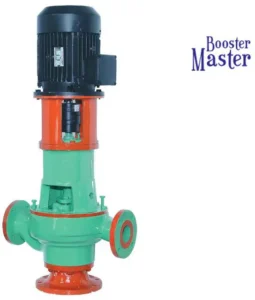
High-performance inline booster pump designed for water pressure boosting in Coimbatore.
The oil and gas industry relies on highly specialized pumping systems to move crude oil, refined products, chemicals, and gases across upstream, midstream, and downstream operations. Pumps are essential for transferring fluids under high pressure, handling corrosive chemicals, and managing high-temperature processes. But the most common question asked by engineers and project heads is: What type of pump is used in the oil and gas industry?
The answer varies based on application, fluid properties, pressure requirements, and operating environment. Here is a complete, SEO-optimized guide for understanding pump usage in the oil and gas sector.
1. Centrifugal Pumps – The Most Widely Used in Oil & Gas Plants
Centrifugal pumps are the backbone of refineries, petrochemical plants, and pipeline systems. They are preferred because they deliver high flow rates and handle large volumes efficiently.
Used for:
Water injection
Pipeline crude oil transport
Cooling water circulation
Boiler feed
Sea water lifting
Condensate handling
Advantages include:
✓ Simple design
✓ High efficiency
✓ Low maintenance
✓ Ability to move clean fluids at high speed
Because most refinery processes require continuous flow, centrifugal pumps are the first choice.
2. Positive Displacement Pumps – Best for Viscous & High-Pressure Applications
Positive displacement pumps are ideal for thick, sticky, or high-viscosity fluids. These pumps deliver accurate flow regardless of pressure changes.
Types include:
Gear pumps
Screw pumps
Lobe pumps
Plunger pumps
Used for:
Crude oil loading/unloading
Lubrication systems
Chemical dosing
Heavy oil transfer
High-pressure injection
Gear pumps are widely used because they handle viscous fluids without losing efficiency.
3. Metering Pumps – Essential for Chemical Injection
In oil and gas, chemical injection is critical for preventing corrosion, scaling, and microbial growth in pipelines and equipment. Here, metering pumps are mandatory.
Used for injecting:
Methanol
Anti-foaming agents
Corrosion inhibitors
Demulsifiers
Biocides
Metering pumps provide:
✓ Precise dosing
✓ Pulsation control
✓ High-pressure capability
✓ Compatibility with corrosive chemicals
Manufacturers like Abirami Pumps supply industrial-grade metering pumps suitable for these operations.
4. Reciprocating Plunger Pumps – For High-Pressure Well Applications
In upstream oil fields, extremely high pressure is required for water injection, hydraulic fracturing, and well stimulation. Reciprocating plunger pumps are the best choice.
Used for:
Well injection
Fracking operations
High-pressure testing
Mud pumping
These pumps deliver unmatched pressure performance and are built for rugged environments.
5. Screw Pumps – Ideal for Heavy Crude & Multiphase Fluids
Heavy or waxy crude cannot flow through normal pumps. Screw pumps handle such fluids smoothly, even when mixed with gas or solids.
Used in:
Offshore platforms
Heavy crude transfer
Multiphase fluid handling
They offer low pulsation, high reliability, and stable flow.
6. Submersible Pumps – Used in Oil Wells
Electrical Submersible Pumps (ESP) are used deep underground to lift crude oil to the surface.
Used for:
Artificial lift systems
Deep well production
High-volume extraction
They operate at extreme pressures and temperatures.
Conclusion: Multiple Pump Types Power the Oil & Gas Industry
To summarize, here is what type of pump is used in the oil and gas industry:
| Application | Recommended Pump Type |
|---|---|
| High flow pipelines | Centrifugal pumps |
| Viscous crude oil | Gear / Screw pumps |
| Chemical injection | Metering pumps |
| High-pressure well service | Plunger pumps |
| Heavy crude and multiphase | Screw pumps |
| Oil well lifting | Submersible ESP |
Industries trust pump manufacturers like Abirami Pumps, who supply durable, efficient, and corrosion-resistant pumps built for demanding oil and gas environments.
Selecting the right pump ensures safety, efficiency, and long-term reliability.