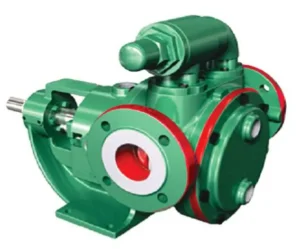
abirami gear pump ecternal gear pump -gear pump diagram
Gear pumps are widely used in industries such as chemicals, oil & gas, hydraulics, plastics, paper mills, and lubrication systems. They are valued for their ability to handle viscous fluids, maintain consistent flow, and operate under pressure. However, one critical aspect of gear pump performance is temperature control. This leads many engineers to ask: What is the difference between an external cooling and internal cooling pump in a gear pump?
Understanding this difference is essential to selecting the right gear pump fo
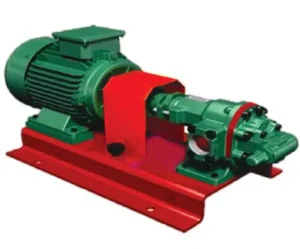
abirami gear external coling pump
r long-term reliability, efficiency, and safety.
Why Cooling Is Important in Gear Pumps
Gear pumps generate heat due to:
Friction between gears
High fluid viscosity
Continuous operation
High pressure conditions
If heat is not controlled, it can cause:
Oil degradation
Seal damage
Reduced efficiency
Premature pump failure
This is why cooling systems are integrated into gear pumps—either externally or internally.
What Is Internal Cooling in a Gear Pump?
Internal cooling uses the pumped fluid itself to absorb and carry away heat generated inside the pump.
How It Works:
A portion of the process fluid circulates internally
Heat is transferred from gears and bearings to the fluid
The fluid carries heat away through normal discharge
Key Features of Internal Cooling:
✔ No external piping required
✔ Compact design
✔ Simple construction
✔ Lower installation cost
Best Suited For:
Moderate temperature fluids
Lubricating oils
Hydraulic systems
Low to medium viscosity liquids
Limitations:
✘ Not suitable for very high temperatures
✘ Cooling efficiency depends on fluid properties
✘ Less effective for continuous heavy-duty operation
What Is External Cooling in a Gear Pump?
External cooling uses a separate cooling circuit—usually water or oil—to remove heat from the pump body.
How It Works:
Cooling jackets or external coils surround the pump
Coolant flows independently from process fluid
Heat is transferred through pump casing to coolant
Key Features of External Cooling:
✔ Highly effective temperature control
✔ Independent of process fluid
✔ Suitable for extreme conditions
✔ Protects seals and bearings
Best Suited For:
High-temperature fluids
Bitumen, polymers, resins
Continuous heavy-duty operation
Chemical and petrochemical industries
Limitations:
✘ Higher installation cost
✘ Requires external piping and coolant supply
✘ Slightly more maintenance
Key Differences Between External and Internal Cooling
| Feature | Internal Cooling | External Cooling |
|---|---|---|
| Cooling Medium | Pumped fluid | Separate coolant |
| Design | Compact | Jacketed / external |
| Temperature Control | Moderate | High |
| Installation Cost | Low | Higher |
| Maintenance | Minimal | Moderate |
| High-Temp Handling | Limited | Excellent |
| Application | Hydraulic & oil systems | Chemicals, polymers |
Which Cooling System Should You Choose?
Choose internal cooling if:
✔ Fluid is lubricating and temperature is moderate
✔ Space is limited
✔ Cost efficiency is a priority
Choose external cooling if:
✔ Fluid temperature is high
✔ Pump runs continuously
✔ Fluid is non-lubricating or sensitive
✔ Long pump life is critical
Impact on Gear Pump Performance and Life
Proper cooling results in:
Longer seal and bearing life
Stable viscosity
Reduced thermal expansion
Improved volumetric efficiency
Lower maintenance cost
Incorrect cooling selection often leads to frequent breakdowns and energy loss.
Conclusion
The difference between external cooling and internal cooling in a gear pump lies in how heat is managed and how demanding the application is. Internal cooling offers simplicity and compactness for moderate conditions, while external cooling provides superior temperature control for high-load, high-temperature industrial applications.
Selecting the right cooling method ensures reliable operation, improved efficiency, and extended pump life. Manufacturers like Abirami Pumps design gear pumps with both cooling options to suit a wide range of industrial requirements.